02 The product

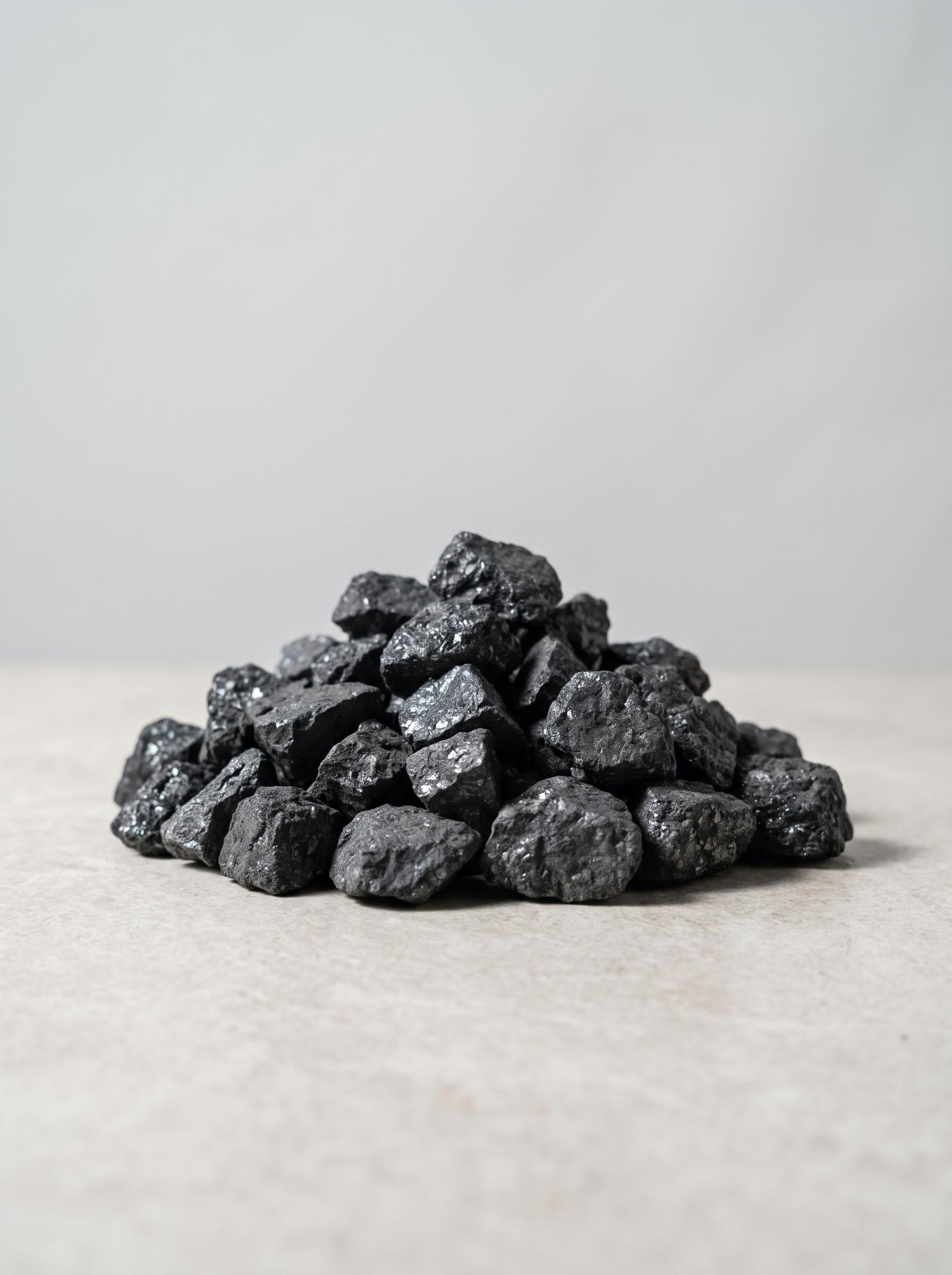
Chromite, prepared for a contract.

Chrome ore is the trade name. The mineral is chromite. Asian Mines and Minerals supplies it from Muslim Bagh to mills and traders in China, Oman, and Europe.

What the buyer is actually purchasing

Chromite is an iron chromium oxide, written FeCr₂O₄. In the furnace it becomes ferrochrome, and ferrochrome is what puts chromium into stainless steel. Refractory makers use some of the same family of ore. The commercial argument is rarely about the name. It is about how much chromium oxide is in the lot, how that chromium compares with the iron, and whether the pieces will feed the process.

Pakistani chromite is the material this company exports. The plant crushes, screens, and beneficiates it so a shipment can be described in numbers a mill already uses. Those numbers are not a house style. They are the specification of that cargo.

02.1 Forms

Lumpy, concentrate, fines, and refractory grades.

Ask for the form your process can take. Availability follows what the plant is producing against current contracts.

  • Lumpy chrome ore from Muslim Bagh, prepared by Asian Mines and Minerals
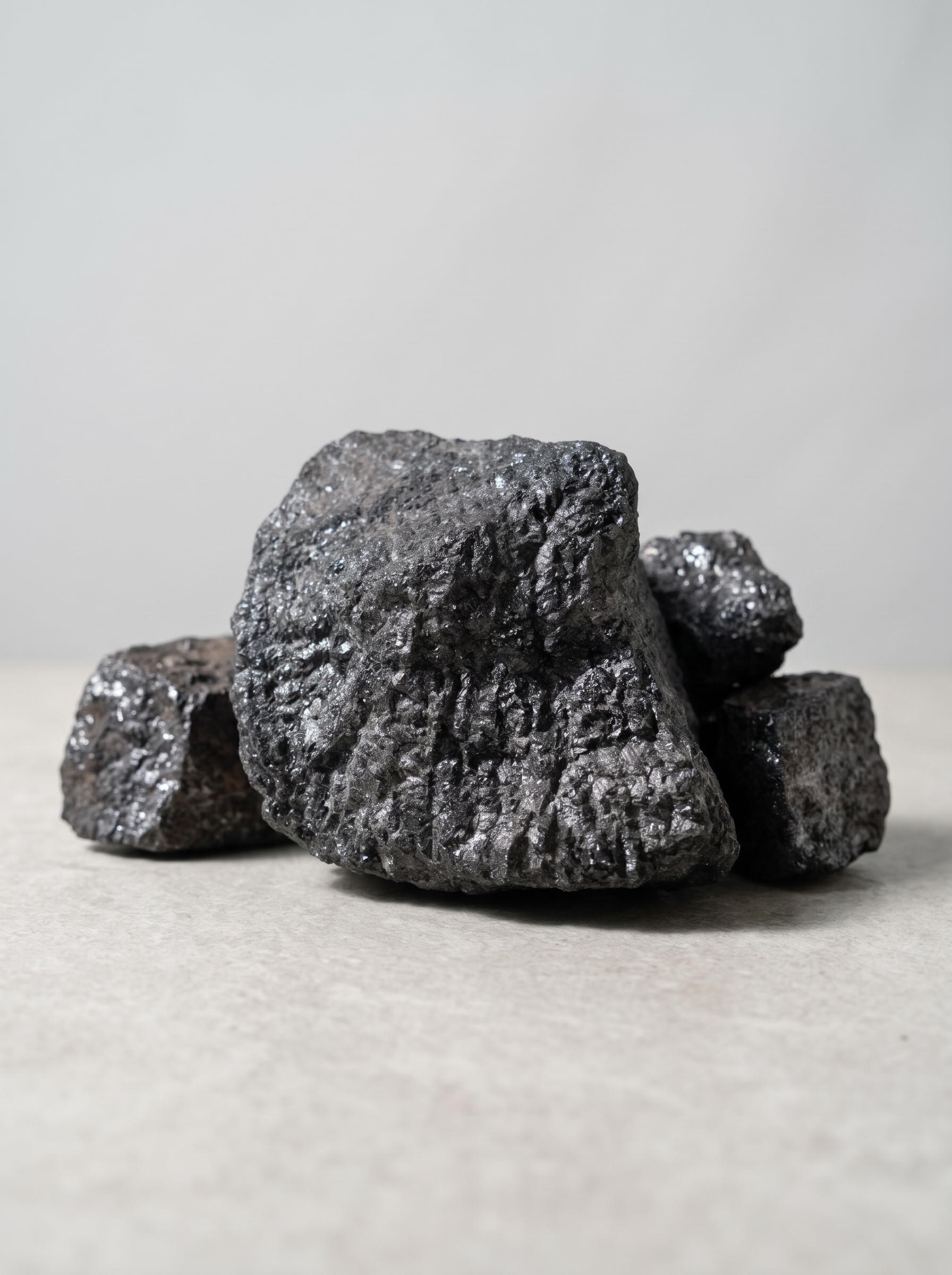
    MetallurgicalLumpy chrome oreLarger pieces for furnaces that want a sized rock rather than a fine.
  • Chrome ore concentrate from Asian Mines and Minerals
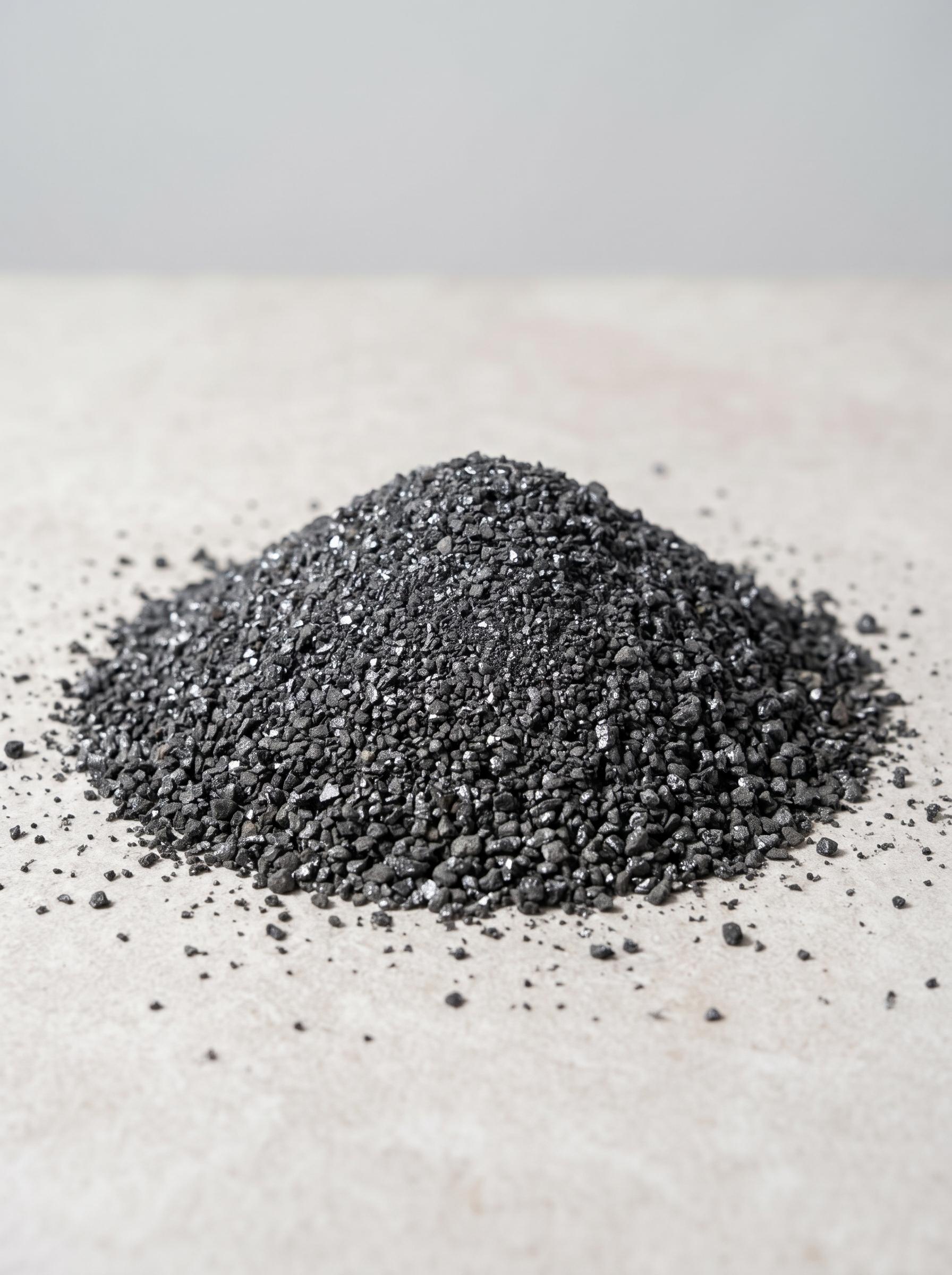
    BeneficiatedConcentratesOre worked so more of the chromium stays and more of the waste leaves.
  • Chrome ore fines from Muslim Bagh
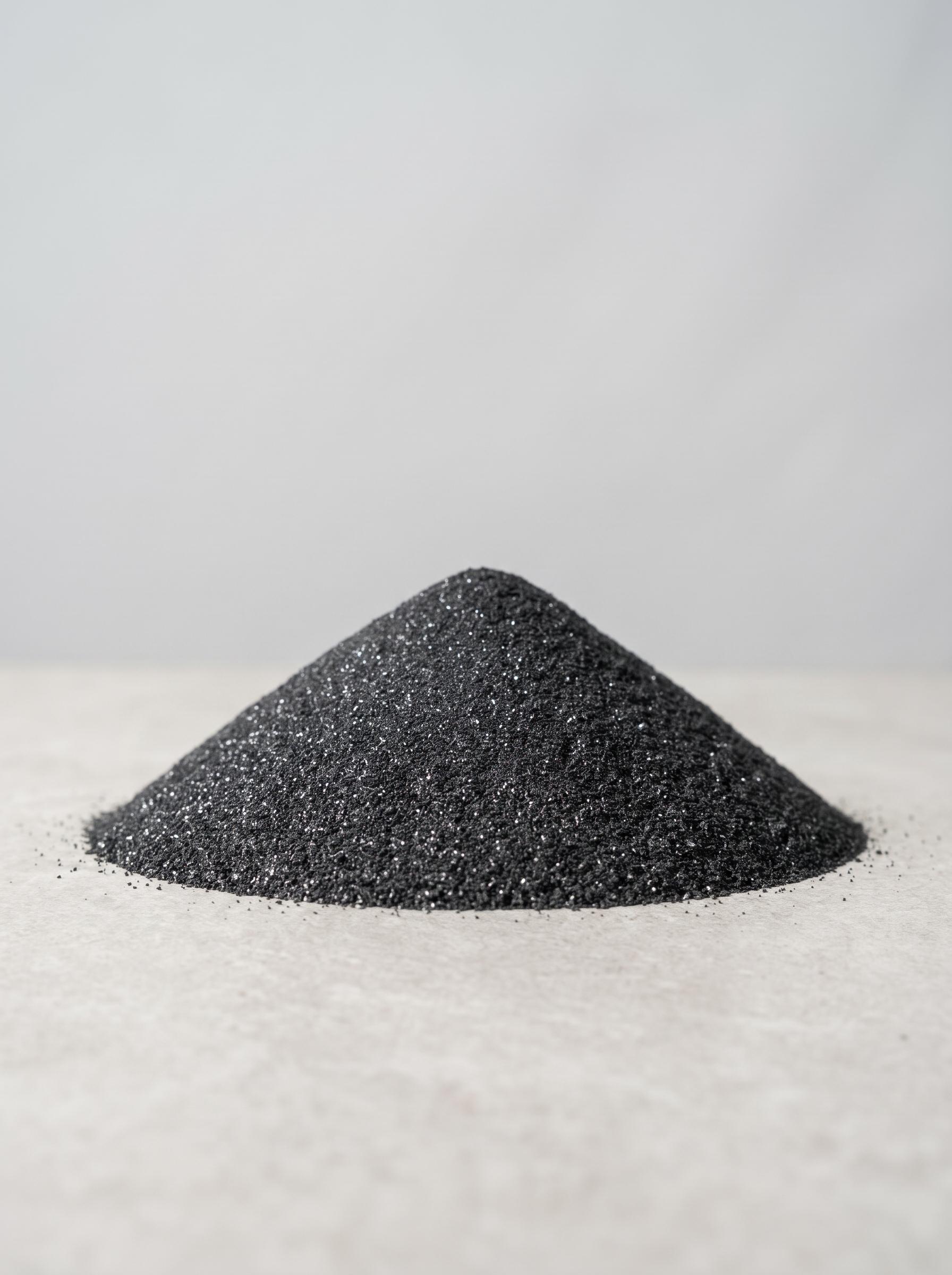
    ScreenedFinesThe smaller fraction, for a blend or a process that calls for it.
  • Natural grade chrome ore from Muslim Bagh
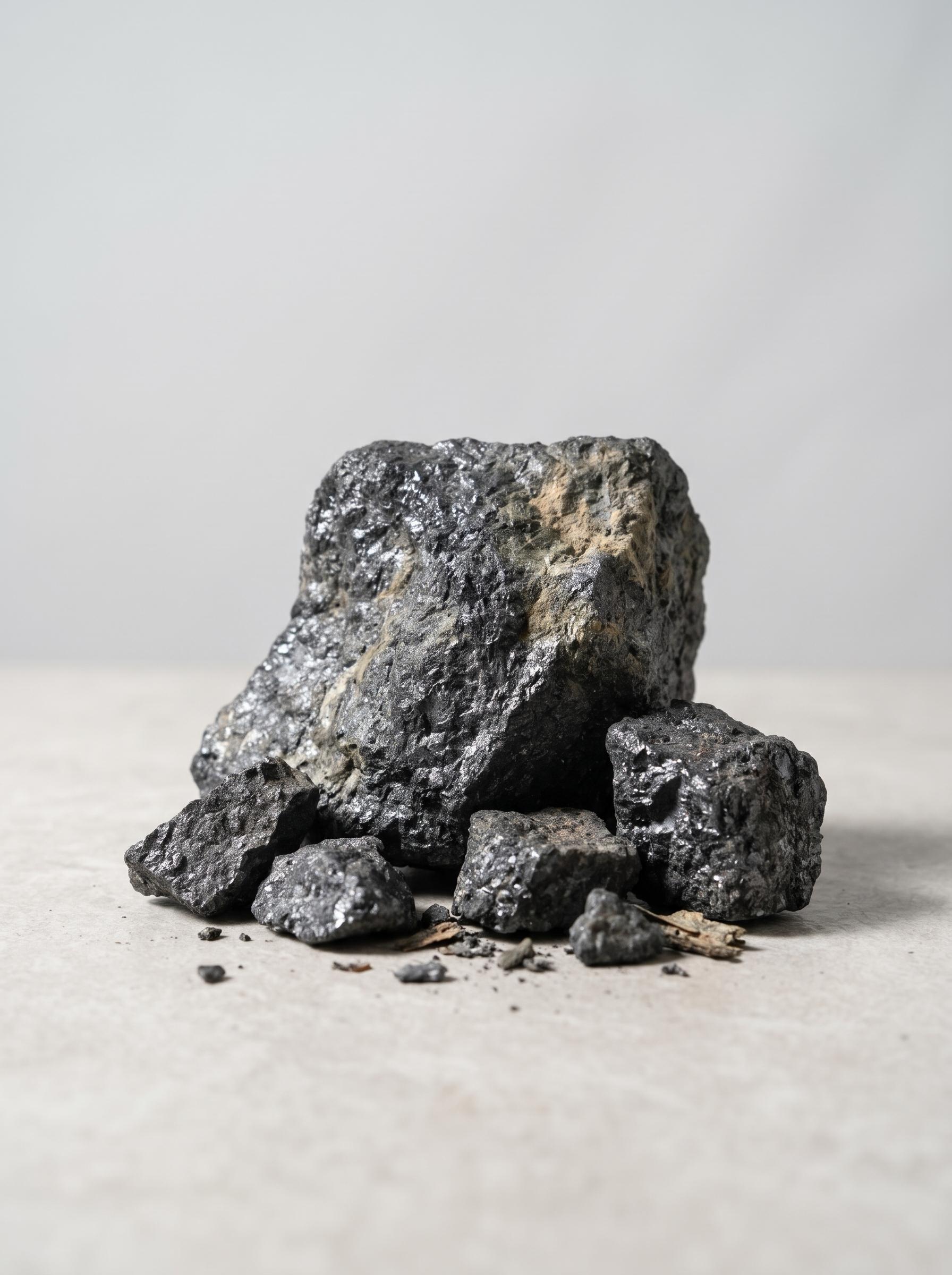
    As minedNatural gradeOre sold closer to the state in which it leaves the ground.
  • Refractory grade chrome ore exported by Asian Mines and Minerals
    RefractoryRefractoryFor refractory use. The chemistry and the size are not the metallurgical specification.
  • Semi-refractory chrome ore from Pakistan
    RefractorySemi-refractoryThe grade that sits between metallurgical ore and a full refractory spec.

Shipment sheet

What gets written down

Parameters agreed for each chrome ore shipment
ParameterWhy it is on the sheet
Cr₂O₃Chromium oxide. This is the grade buyers lead with.
Cr/FeChromium set against iron. It shapes the yield in ferrochrome.
SiO₂Silica. Metallurgical buyers usually want it kept in check.
MgO and Al₂O₃Gangue oxides. They travel into the furnace with the ore.
MoistureWater in the lot. It changes weight, handling, and the freight you pay for.
SizeLumpy, chip, fines, or concentrate. The fraction has to suit the mill.

Origin is Pakistan. The values are agreed for the lot. They are not a standing advertisement.
How to read an offer

Grade is the Cr₂O₃ percentage. It is not a brand. Two lots with the same headline grade can still differ in the chromium-to-iron ratio, and that ratio is what a ferrochrome producer feels in the yield.

Silica, magnesia, and alumina are the passengers. Moisture is the weight you pay to move and then drive off. Size decides who can use the ore at all: a lumpy specification and a fine are different products, even when the chemistry looks close.

Sampling is part of the same conversation. A buyer can appoint an independent surveyor against the written sheet. The plant film shows the preparation. It does not replace the assay of the pile you are buying.

When you write, lead with quantity in metric tons, discharge in China, Oman, or Europe, and any target you already have for Cr₂O₃ and size.

02.2 Photographs

The ore, the yard, the lot.

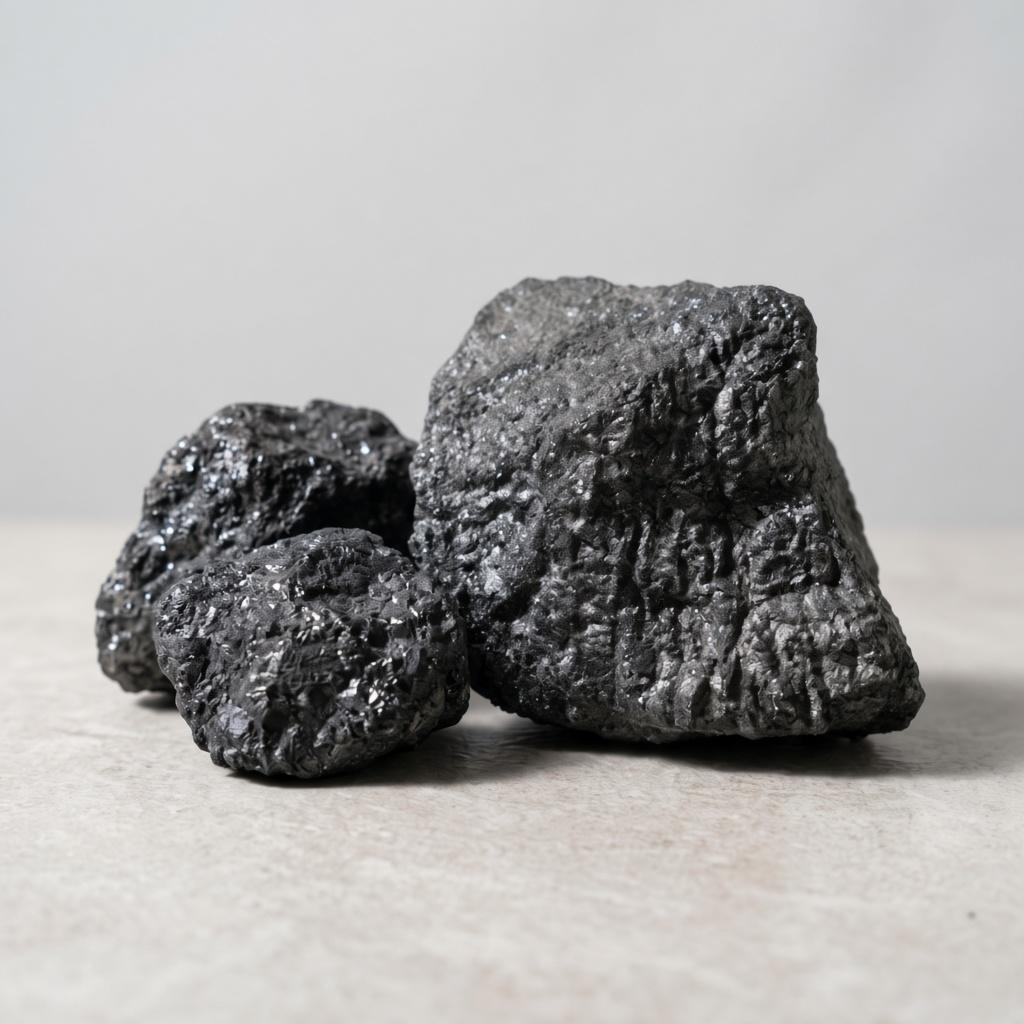
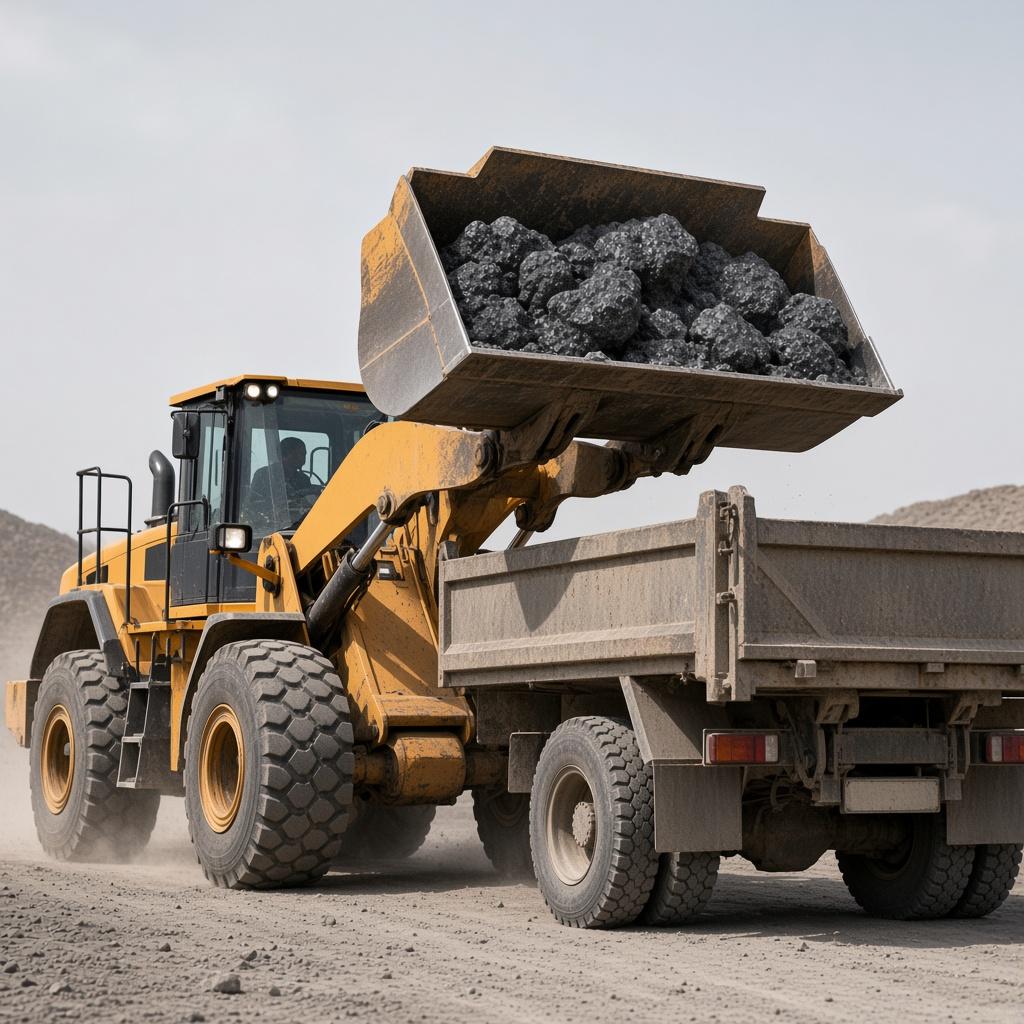
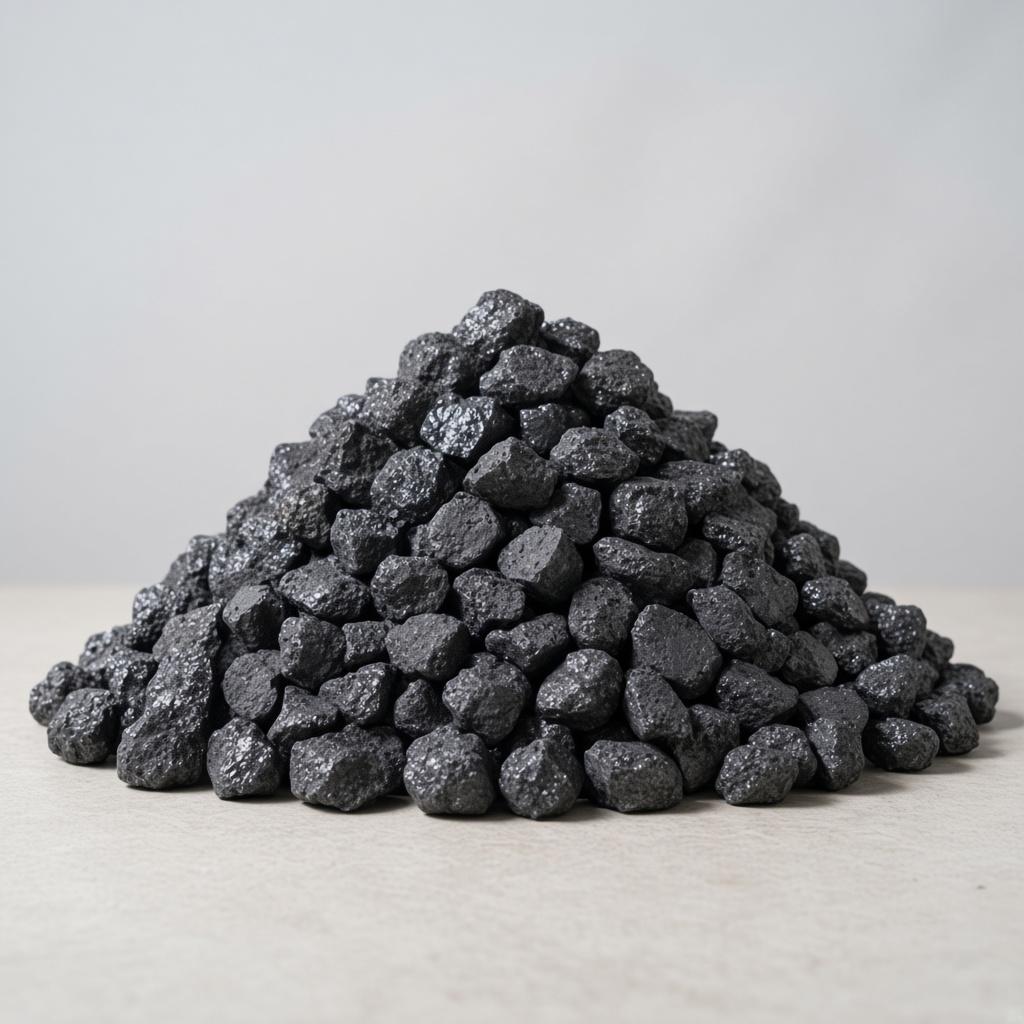
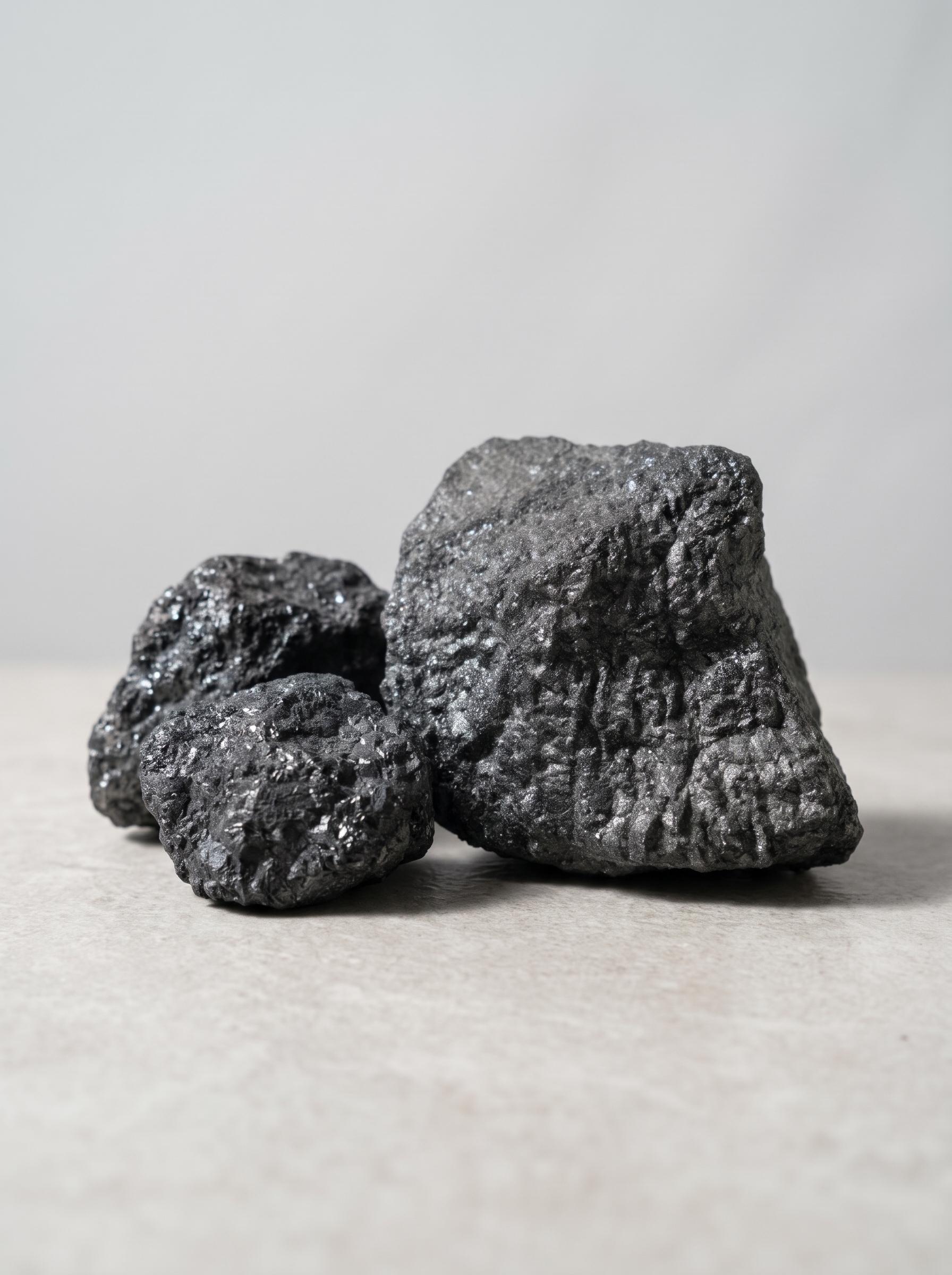
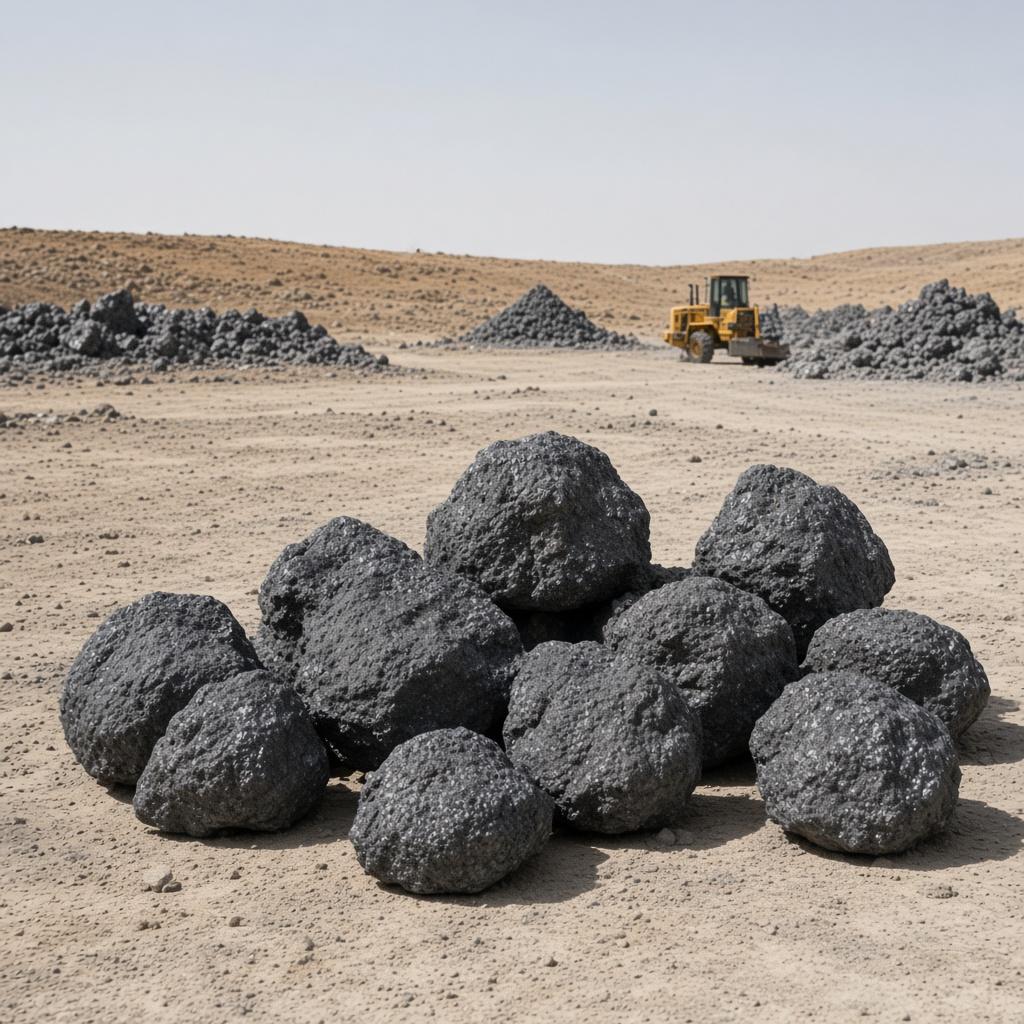
The yard, a specimen, loading, and a stockpile. They show the work. They are not a certificate of one cargo.

Send the specification you need.

If you do not have one yet, send the furnace, the quantity, and the destination.

Request a quote